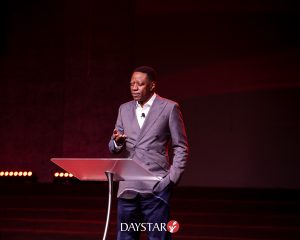

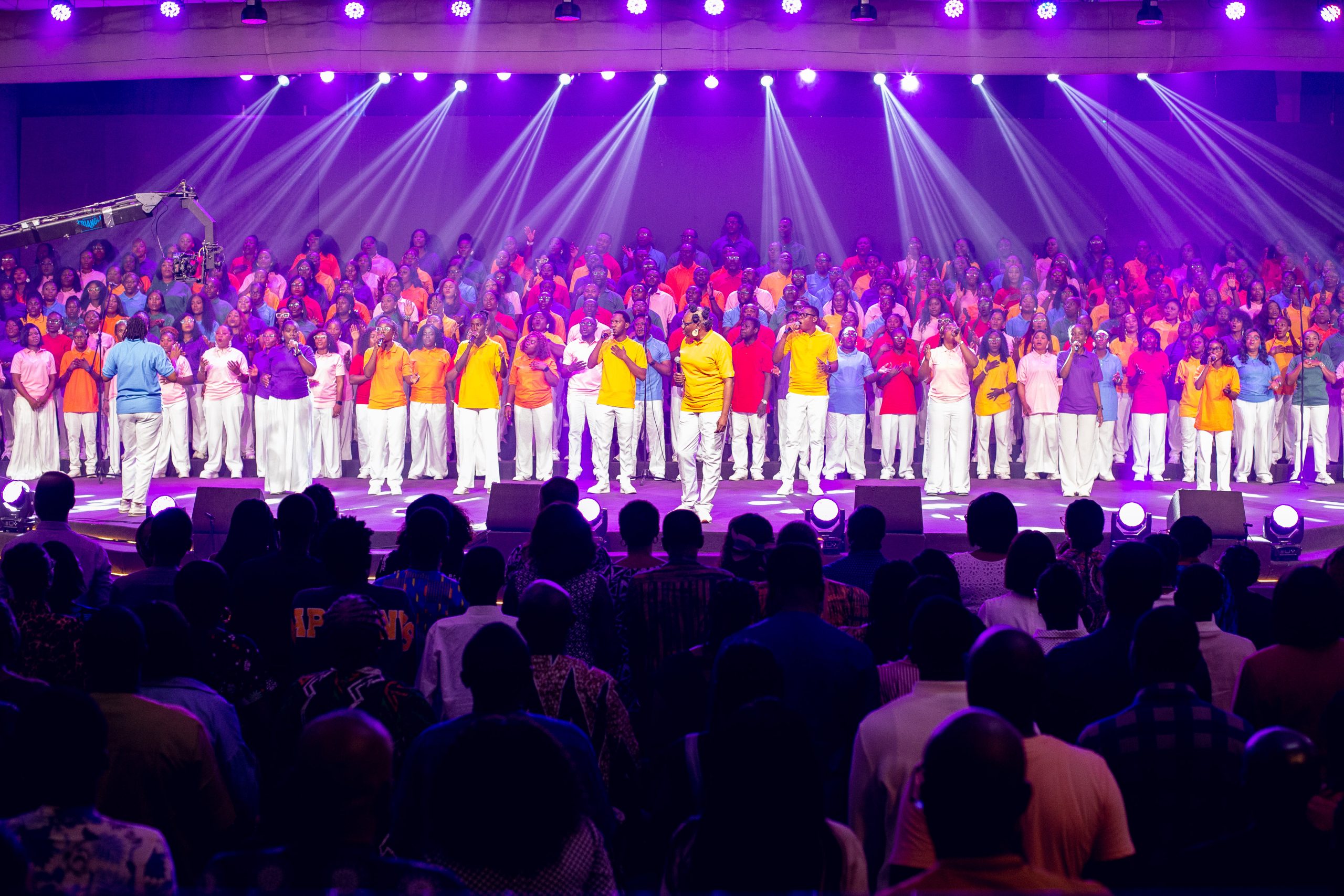
Gratitude is more than a polite response; it is a spiritual force that shapes both the heart and the mind. At the Daystar Worship Experience themed To-Dah (meaning “Thank You”), Sam Adeyemi emphasized that thanksgiving is not optional for believers, it is a divine principle that aligns us with God’s will and power.
One of the key insights shared is that gratitude affects the human brain. Research in neuroscience shows that practising gratitude increases grey matter and strengthens neural pathways linked to empathy, emotional regulation, learning, and self-control. In simple terms, gratitude helps us think more clearly, become more creative, and develop emotional strength. It also triggers the release of dopamine and serotonin, the “feel-good” chemicals that improve mood and reduce stress. Science is increasingly confirming what Scripture has long declared: thanksgiving transforms the inner life of a person.
Spiritually, gratitude places us on God’s frequency. As written in 1 Thessalonians 5:18, believers are instructed to give thanks in all circumstances. This posture of thanksgiving aligns us with God’s will and opens the door to miracles. In John 6, Jesus gave thanks before multiplying five loaves and two fish to feed thousands. The miracle followed gratitude, showing that thanksgiving often precedes divine provision.
Another powerful truth is that gratitude should be specific. Vague thanksgiving keeps blessings general, but specific gratitude activates faith. Instead of saying, “Lord, thank You for everything,” we declare, “Thank You for my healing,” or “Thank You for my breakthrough.” This is the language of faith, thanking God as though the promise has already manifested. Jesus demonstrated this before raising Lazarus when He said, “Father, I thank You because You hear Me always” (John 11:41–42).
Ultimately, gratitude is not just good manners; it is spiritual intelligence. It renews the mind, strengthens faith, and positions us for miracles. It reminds us that God is already at work, even when we cannot yet see the outcome.
To-Dah – thank You, Lord. Catch the full sermon here